Cäcilia Riederer & Suki Capobianco, Better Politics Foundation, 11 March 2026
If more women in politics automatically meant more power, the story of women’s political leadership would look very different today.
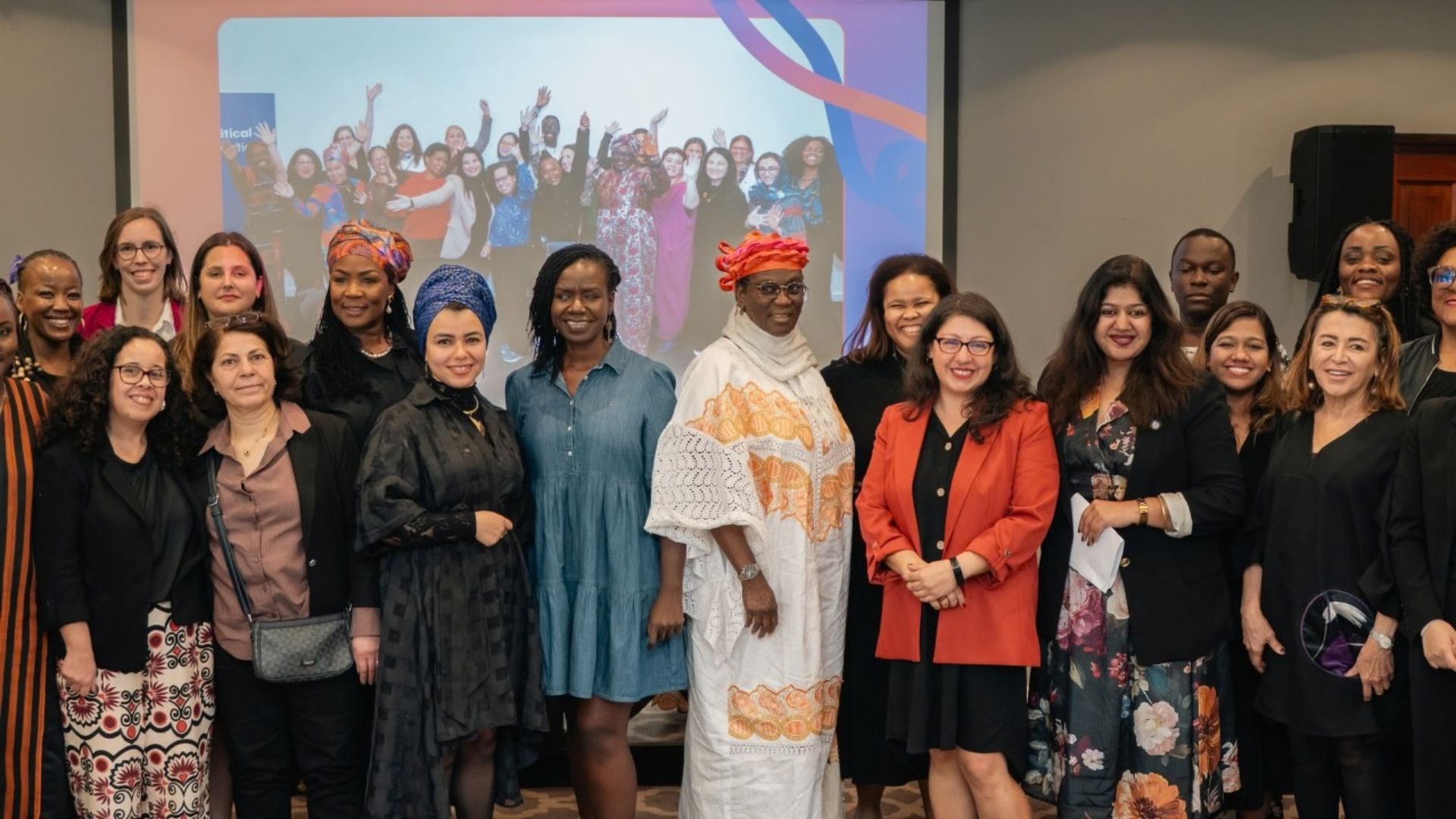
Around the world, women now hold roughly a quarter of parliamentary seats, the highest level ever recorded. Yet many of the most powerful positions in government remain overwhelmingly male-dominated. Women enter political institutions in growing numbers, but they are still less likely to control the ministries that shape national budgets, security policy, or foreign affairs.
A recent guide by the Trust, Accountability and Inclusion Collaborative and its partners captures this paradox clearly. The report warns that rising representation can create what it calls an “illusion of progress”, a situation where the numbers improve while structural barriers to real political power remain largely intact.
Understanding this gap matters because it forces us to confront a deeper question: what does it actually take to sustain women’s political leadership in today’s political environment?
Read article
 Access
Toolkit
Access
Toolkit 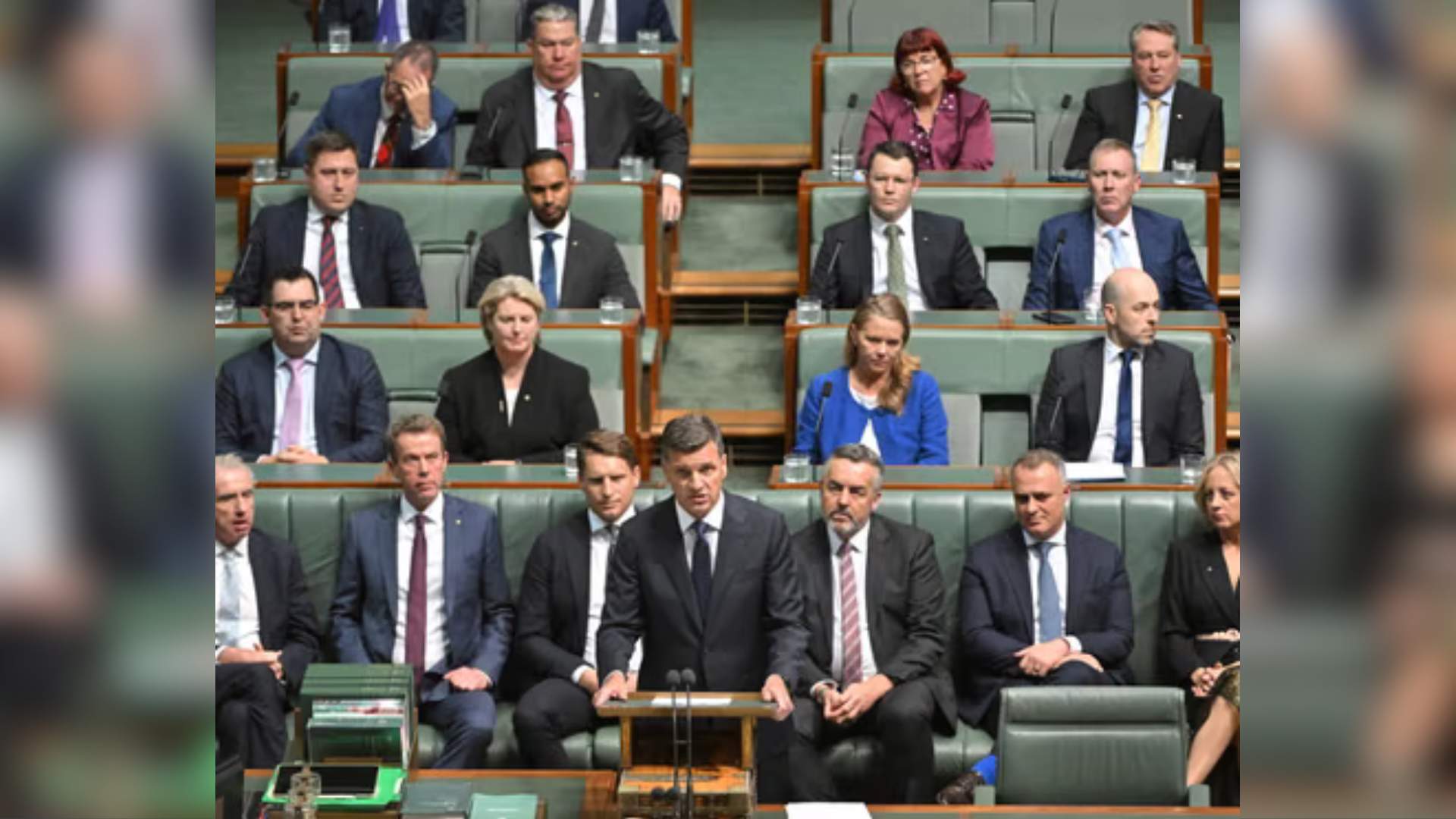
 Read
Report
Read
Report