Ján Michalko, ALiGN (Advancing Learning and Innovation on Gender Norms), April 2026
Research by Ján Michalko for ALiGN explores how online violence is shaping the experiences of women and gender-diverse people in politics – and what political parties can do to respond.
The report examines the role of gender norms, political culture and internal party structures in either enabling or challenging technology-facilitated gender-based violence (TFGBV), from trolling and disinformation to deepfake abuse.
The findings, based on existing literature and interviews with gender and politics professionals, indicate there are three sets of factors which donors, civil society and practitioners should consider when designing action to support political parties to respond to TFGBV internally. These are: (1) gender norms; (2) socio-political environment; and (3) internal party factors.
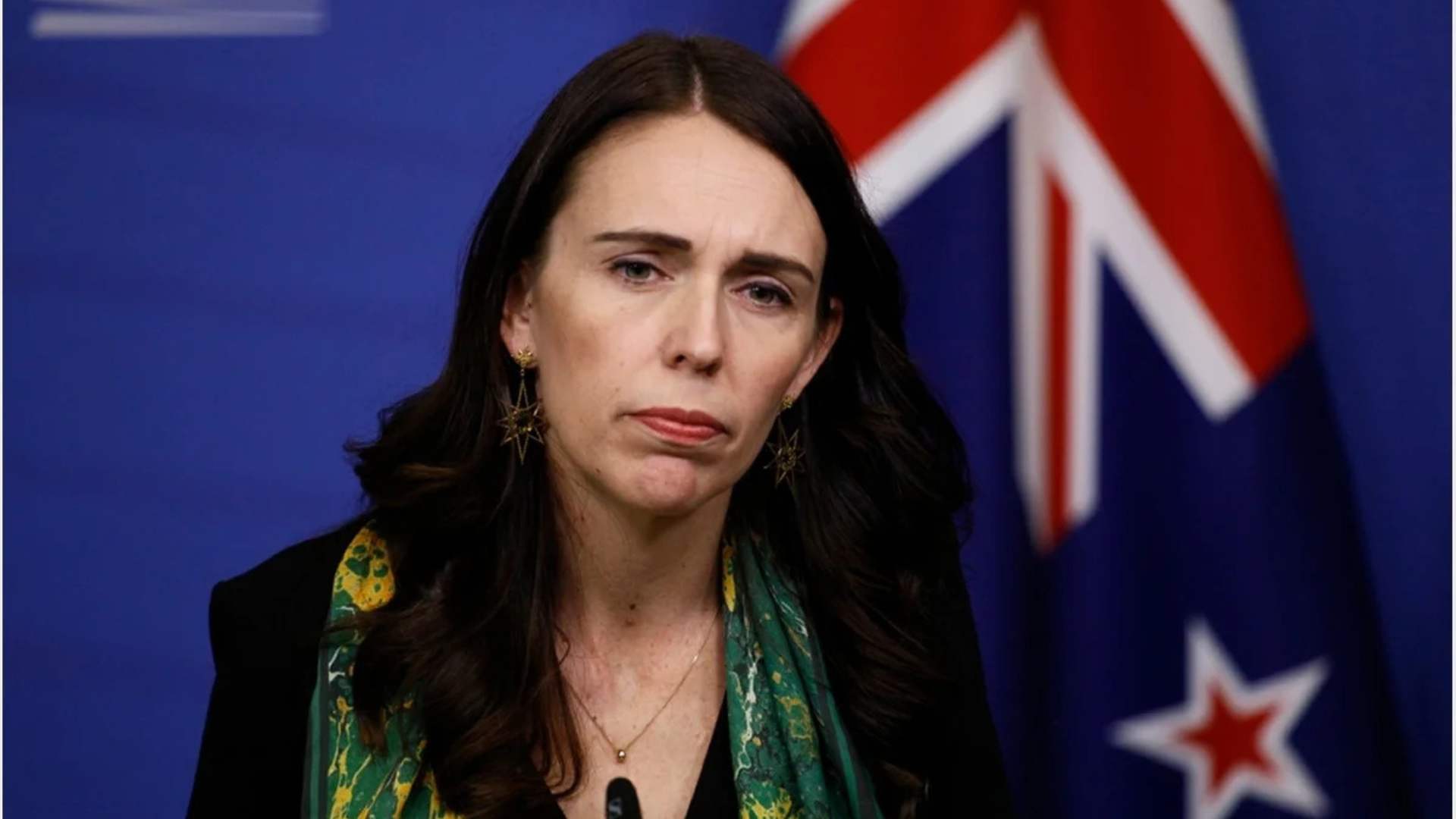
Lead photo: Former Prime Minister of New Zealand, Jacinda Ardern, at a news conference with the European Commission President in Brussels, Belgium. Arden left politics and set up the Empathetic Leadership Fellowship at Harvard, which aims to transform norms of political leadership. 2019 © Alexandros Michailidis | Shutterstock
Read the report

 Watch
Video
Watch
Video 
 Access
Toolkit
Access
Toolkit